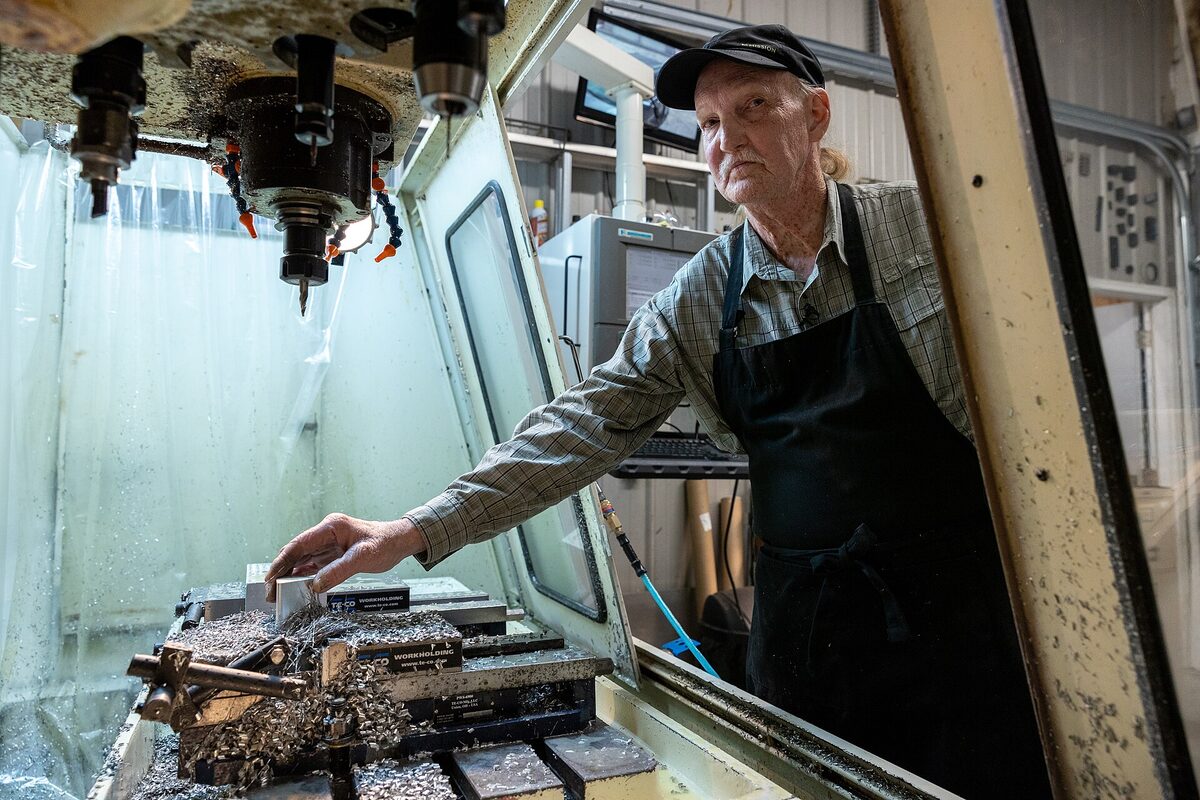
CNC Machining · 8 minWhat Is CNC Machining?
A practical introduction to subtractive manufacturing, machine motion, tooling, workholding, and the information needed for a useful quote.
Read CNC overview
01Process SelectionTypes of CNC Machining
Compare milling, turning, Swiss machining, routing, and EDM by geometry, volume, and feature access.
Compare CNC processes
02CNC FundamentalsMilling vs. Turning
Understand which process moves the cutting tool, which rotates the workpiece, and when a part may need both.
See machining options
03MaterialsCNC Materials and Selection
Review common metals and engineering plastics, including how machinability, strength, corrosion, and cost affect selection.
Browse materials
04Tolerance PlanningAchievable CNC Tolerances
Learn why tolerance depends on size, geometry, material, setup, inspection method, and which dimensions are truly critical.
Review design guidance
05Cost PlanningWhat Determines CNC Cost?
Setup count, machine time, stock removal, tools, tolerance, material, quantity, finish, and inspection all influence price.
Request a CNC quote
06Process SelectionWhen CNC Is Not the Best Fit
Complex internal channels, very high material waste, extremely high volume, or thin formed geometry may point to another process.
Compare all services
Process Comparison · 7 minCNC Machining vs. 3D Printing
Compare strength, accuracy, surface finish, geometry freedom, material range, setup cost, and quantity before choosing a route.
Compare additive processes
07Design Guide3D Printing Design Guidelines
Plan wall thickness, holes, unsupported features, clearances, orientation, support marks, and post-processing.
Read the design guide
08Precision MachiningMicro Machining Guidance
Prepare small-feature parts by identifying tool access, aspect ratios, burr control, workholding, and inspection requirements.
Explore micro machining
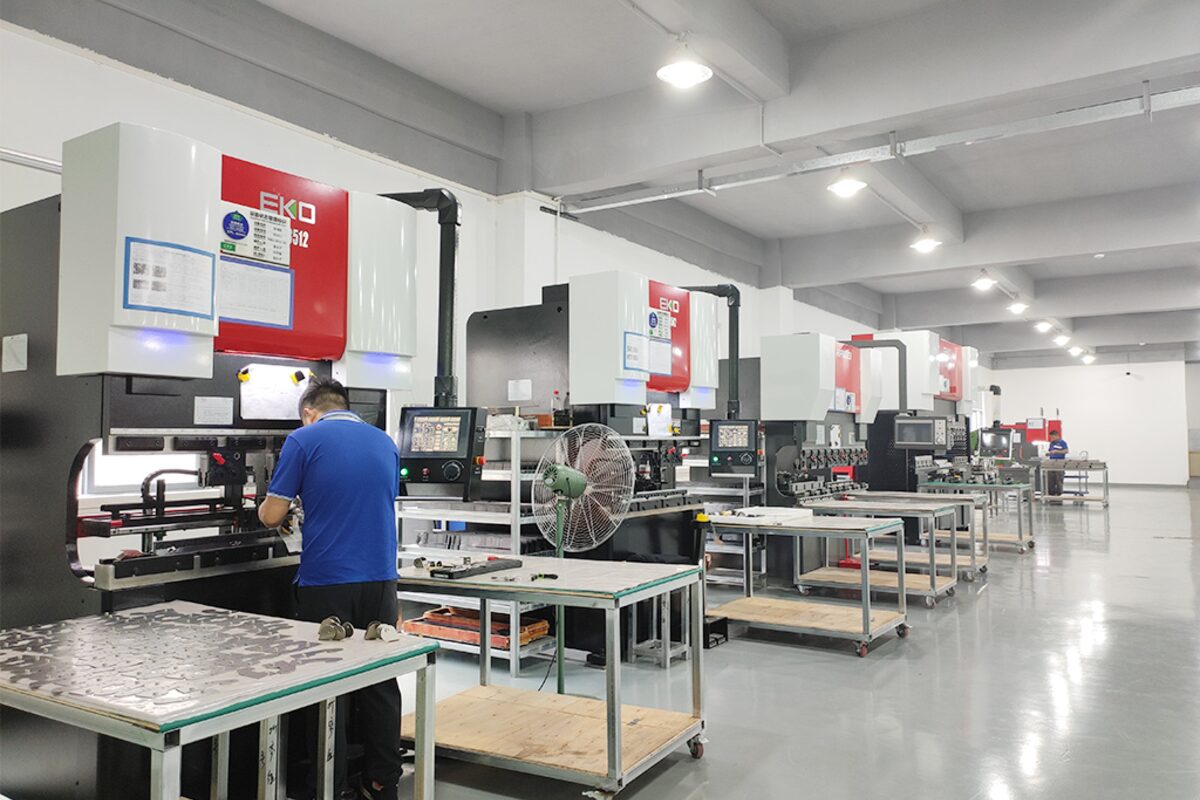
Fabrication Design · 9 minSheet Metal Design Guidance
Account for bend radius, reliefs, hole-to-edge distance, hardware, weld access, coating, and flat-pattern requirements.
Read fabrication guidance
09Molding and ToolingInjection Molding and Tooling
Understand draft, wall uniformity, ribs, undercuts, gates, tooling choices, validation, and production ramp-up.
Explore molding and tooling
10Secondary OperationsSurface Finishing Guide
Select anodizing, powder coating, plating, passivation, blasting, polishing, or marking based on function and appearance.
Browse finishing options
11Order ManagementRepeat Orders and Part Revisions
Use the prior RFQ number, current drawing revision, change summary, quantity, and supplier preference to reduce ambiguity.
Read the repeat-order guide
12ProcurementSupplier and Procurement Guidance
Build a more useful sourcing package with capability needs, quality records, delivery priorities, and clear commercial scope.
Explore enterprise workflow
13RFQ PreparationManufacturing RFQ Checklist
Include CAD, drawings, quantity, material, finish, tolerance, inspection, packaging, delivery, and revision information.
Start an RFQ